Volunteer at an Irish country house in County Meath. Help with gardens, DIY, and tea room work at historic Hamwood House.
View Opportunity

A weekly newsletter for those eager to volunteer, retire, study, or simply live abroad—featuring fresh opportunities.
Volunteer at an Irish country house in County Meath. Help with gardens, DIY, and tea room work at historic Hamwood House.
View Opportunity
English teaching internship in Phu Quoc at a Vietnam resort. Teach, gain hospitality experience and enjoy island life.
View Opportunity
Join a Gardening and Farmstay in Northern Ireland experience with rural living, music, and hands-on outdoor countryside tasks.
View Opportunity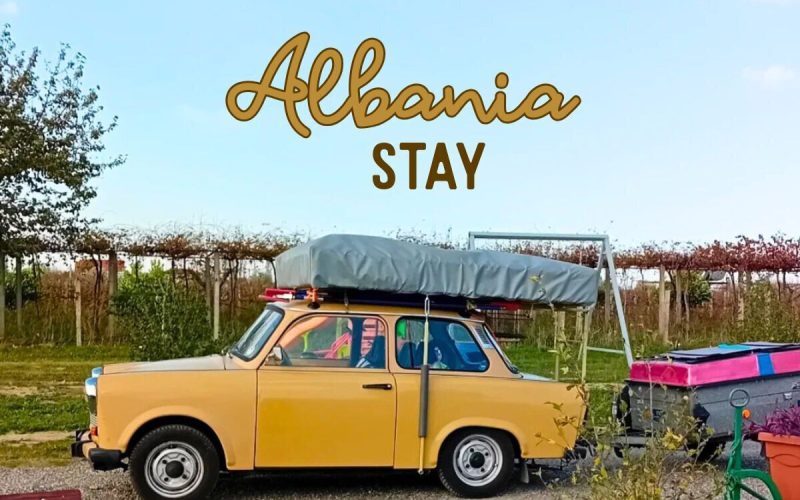
Long-Term Volunteer in Albania with Accommodation. Join a peaceful home stay, help with daily tasks, and enjoy nature living.
View Opportunity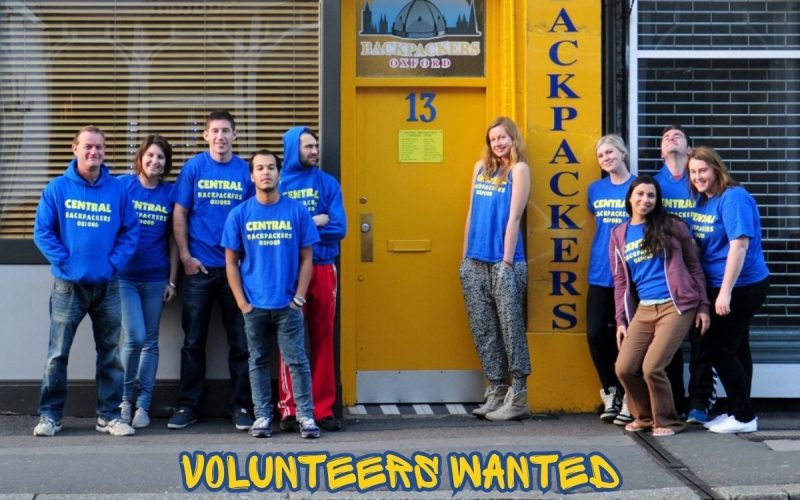
Volunteer in a hostel in Oxford with free accommodation, meet travellers worldwide, and help run a lively city-centre hostel.
View Opportunity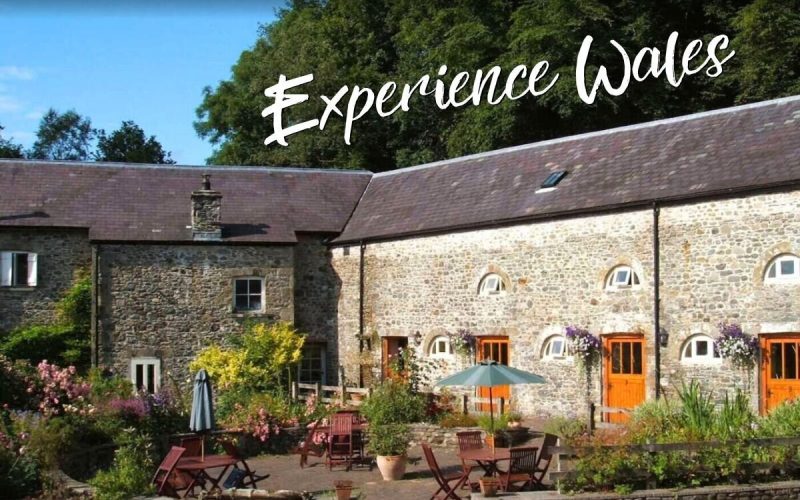
Volunteer on a Working Farm in Wales and enjoy coastal scenery, hands-on farm work, and rural life on the Llyn Peninsula.
View Opportunity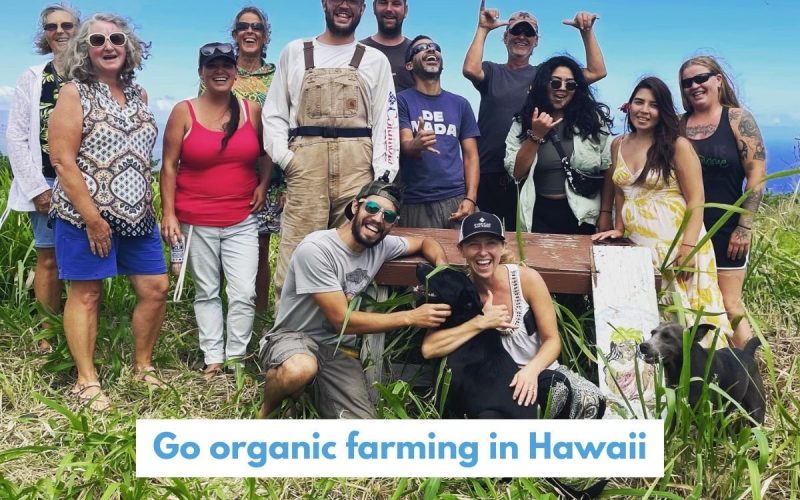
Learn Organic Farming in Hawaii on a permaculture farm in Oahu, gaining hands-on skills in sustainable agriculture and nature.
View Opportunity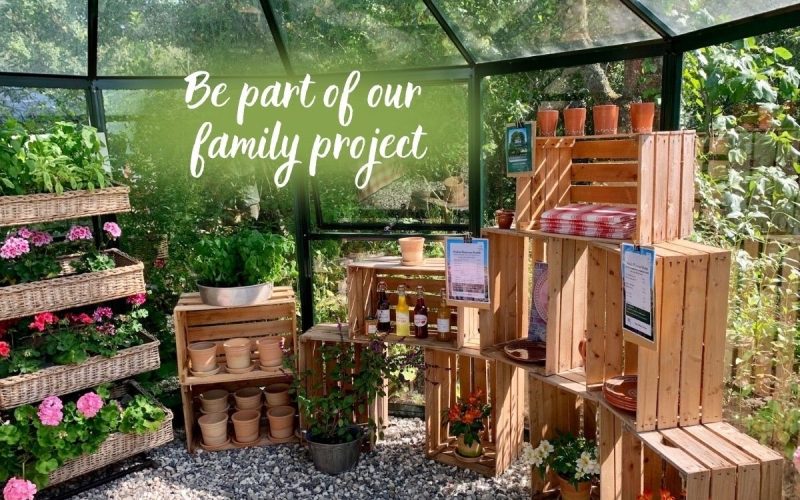
Farmhouse renovation volunteer opportunity in France helping restore a historic home near Montpellier with accommodation included.
View Opportunity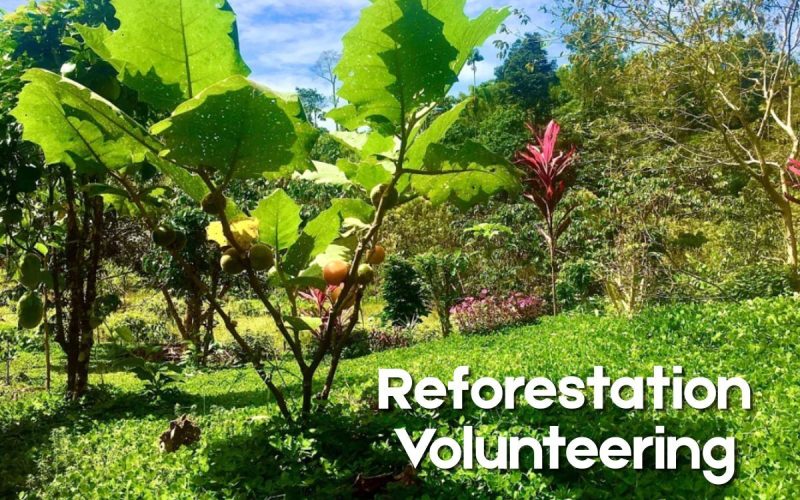
Volunteer in Ecuador on an Amazon reforestation project restoring jungle, building food forests, and living in nature.
View Opportunity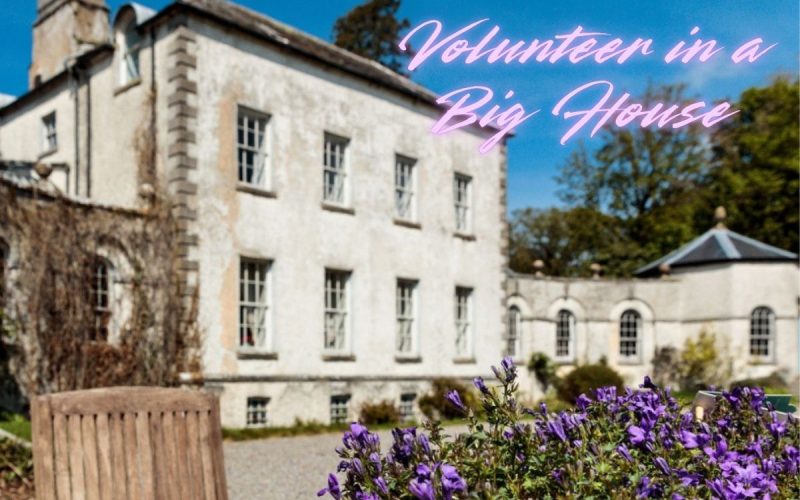
Volunteer at a big house in Ireland to help with gardens, light DIY, and weekend tea room support.
View Opportunity
Volunteer in a guest house in Jamaica and help restore a beachfront boho retreat with garden and sea views.
View Opportunity
Volunteer at a guesthouse in Portugal and gain hands-on experience preparing rooms, gardening, and enjoying coastal life.
View Opportunity
Join farm volunteering in Queensland, learn permaculture, care for gardens and animals, and experience rural Australian life.
View Opportunity
Volunteer teaching English in Taiwan and support children while sharing culture in a friendly, engaging learning environment.
View Opportunity
Join a riad renovation volunteer France programme in Moissac, assist with restoration, and enjoy full-board accommodation.
View Opportunity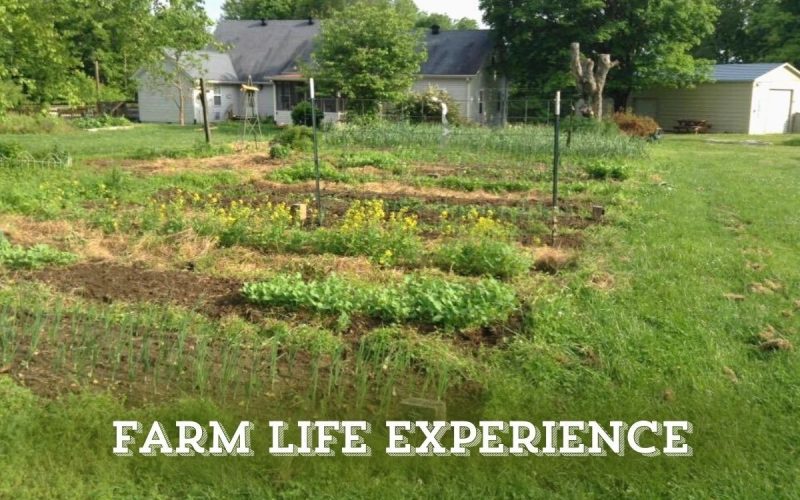
Volunteer on a farm in Southwest Florida helping goats, gardening, and enjoying beaches while staying in a private guest studio.
View Opportunity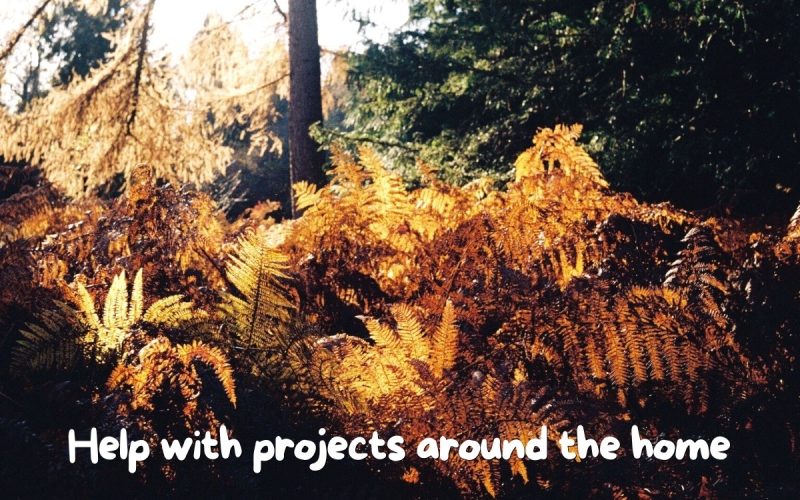
Self-sufficient farm volunteer opportunity in the UK to gain hands-on experience with animals, gardening, and sustainable living.
View Opportunity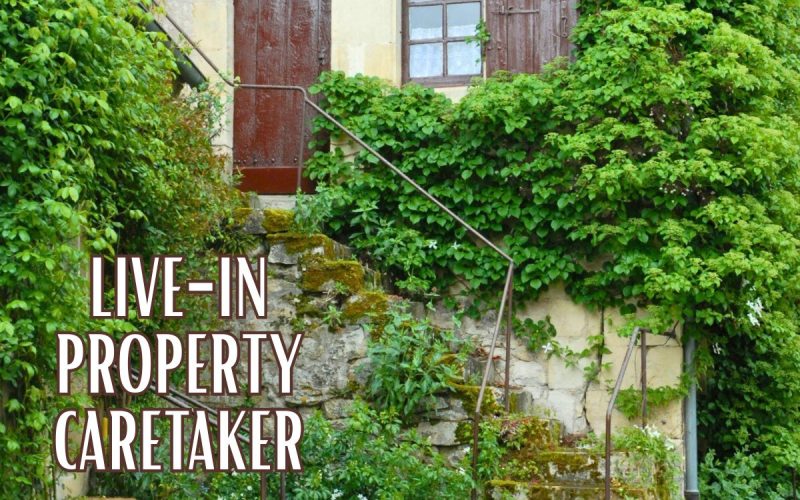
Care for a charming historic cottage as a live-in property caretaker in France’s peaceful Pays de la Loire region.
View Opportunity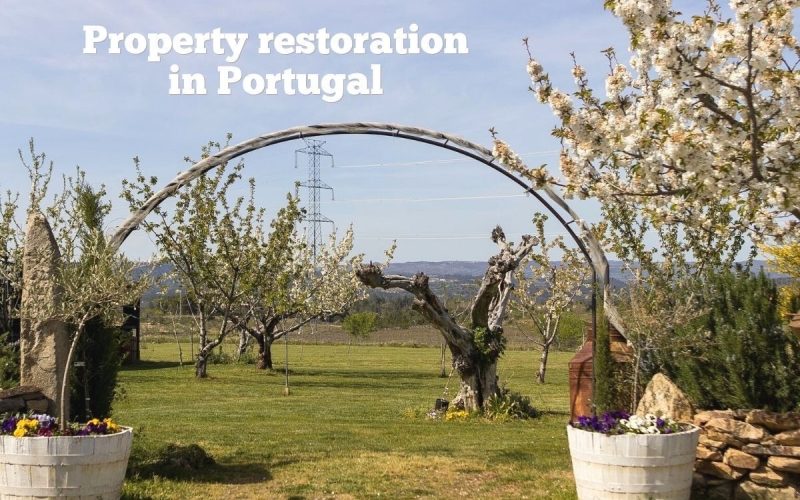
Volunteer in Vila Nova de Gaia and help with gardening, maintenance, and small home improvement projects.
View Opportunity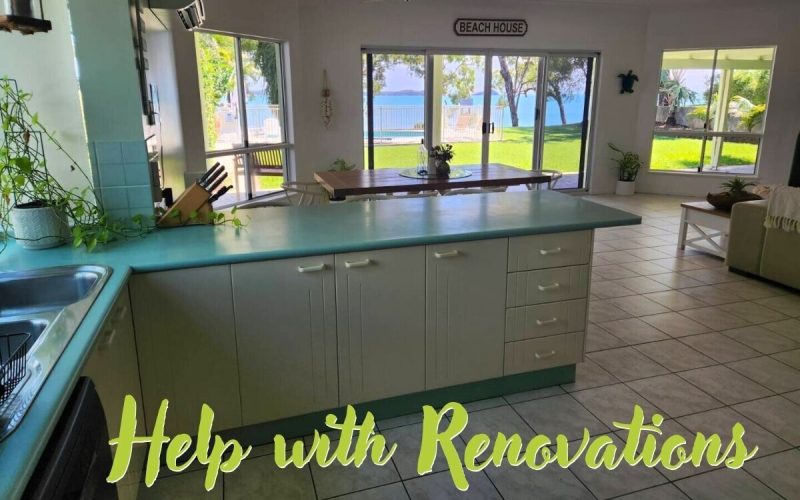
Volunteer on Kangaroo Island helping with home projects, kitchen tasks, and exploring the island’s beaches and wildlife.
View Opportunity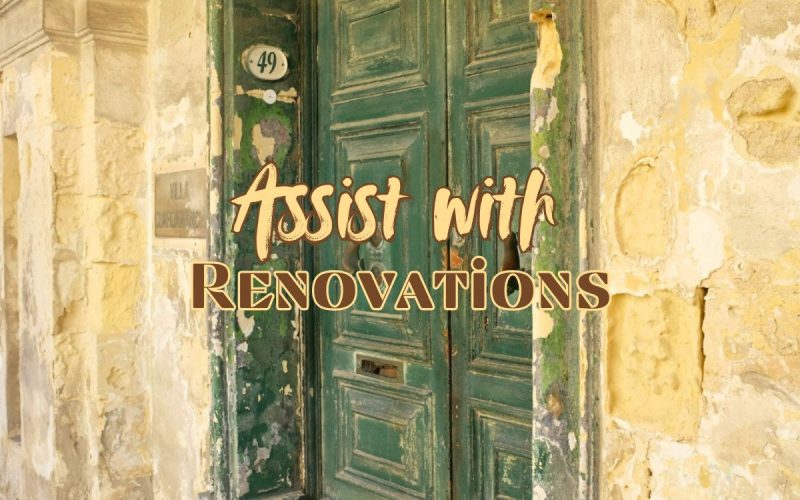
Join a work exchange in Mexico, help with natural building, tropical gardens, and permaculture just minutes from the beach.
View Opportunity
Work Exchange in Mexico by the Caribbean Sea: help with dogs, garden upkeep, repairs, and enjoy life in paradise.
View Opportunity
Be a dog sitter in Portugal this winter, care for Frida, assist with training, and enjoy life in a peaceful countryside setting.
View Opportunity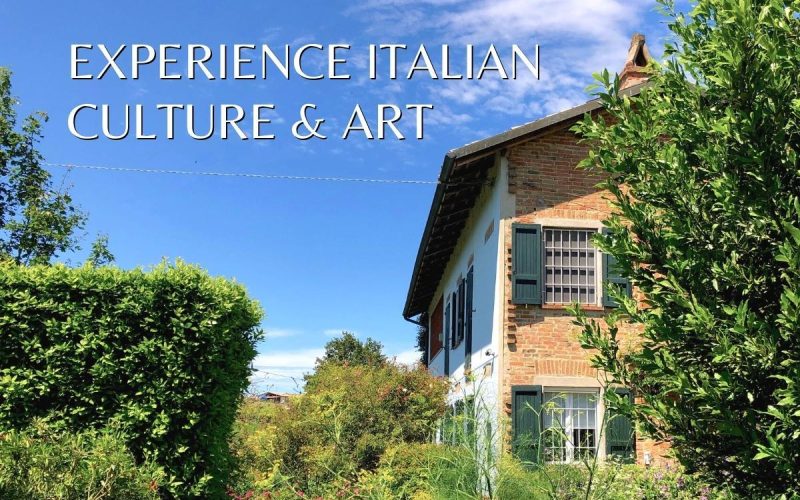
Volunteer on a vineyard in northern Italy and enjoy farm life, wine-making, and a peaceful rural experience.
View Opportunity
Live in Dublin with a friendly host, share conversation, gardening, and leisure in a welcoming home environment.
View Opportunity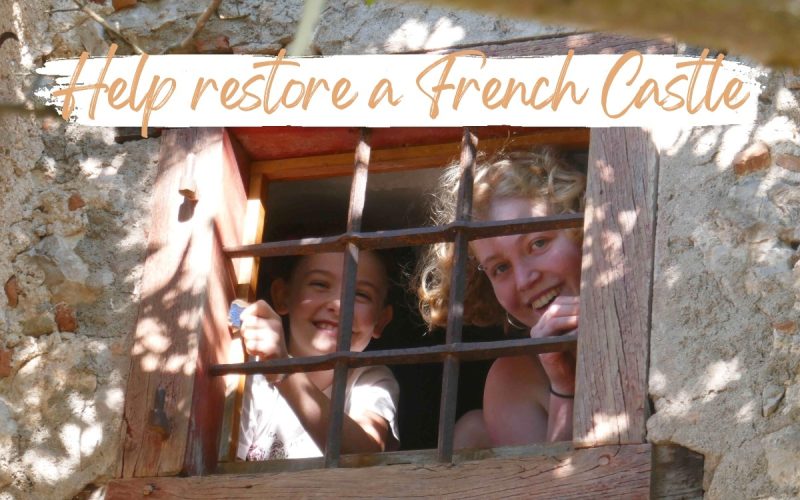
Join our team for volunteering in a medieval castle France, helping with restoration and experiencing rural life in Aveyron.
View Opportunity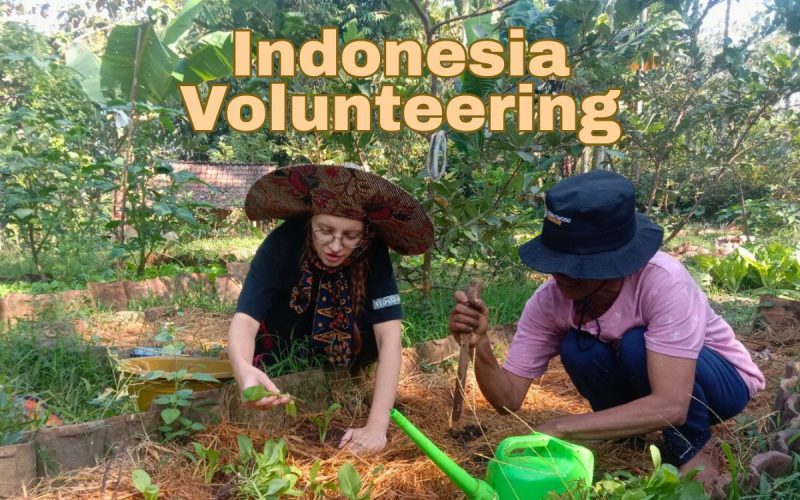
Experience a volunteer stay in Indonesia teaching English and practising permaculture amid peaceful rural life in Bondowoso.
View Opportunity
Become a horse care volunteer in Kenya and help rehabilitate animals while riding among wildlife on a peaceful conservancy.
View Opportunity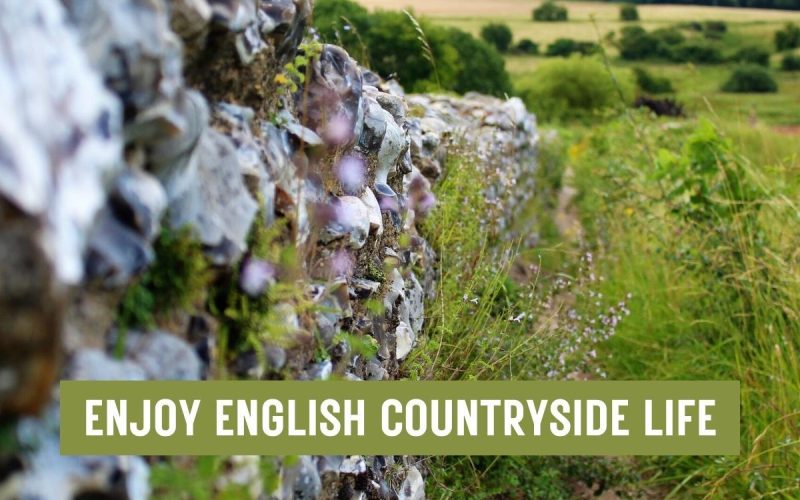
Care for dogs, ponies, and a cat while helping with household and Airbnb tasks. Volunteer with animals in Devon today.
View Opportunity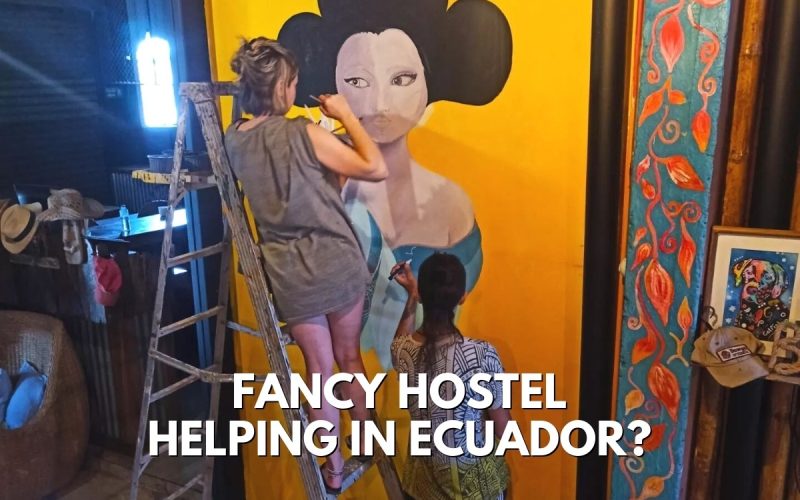
Volunteer in a hostel in Quito, assist with daily tasks, join cultural activities, and enjoy an immersive local experience.
View Opportunity